What is swap in forex? It's what you pay (or get paid) for keeping a position open into the next trading day. Spread and commission are paid once per trade and grow with volume. Swap cares about other things: was the position open at the daily cut-off, which side are you on, and how far apart are the two interest rates?
Most explanations stop there. We won't. How does a ten-minute trade pay a full night of swap, or three? Why can long and short both be negative? How do you turn the platform figure into dollars without being off by ten times? And what does a swap-free account charge instead?
We'll also cover the rollover, the calculation for each swap mode, triple swap, holding cost and earning swap. All example rates are hypothetical.
What Is Swap in Forex?
Swap in forex is an interest adjustment applied to any position held through the daily rollover at 17:00 New York time. It comes from the interest rate differential between the pair's two currencies, minus the broker's markup, and whether you pay or receive it depends on being long or short. It's also known as rollover, carry or overnight financing.
| Feature | Retail swap (rollover) | FX swap | Cross-currency swap |
|---|---|---|---|
| Who uses it | Retail forex and CFD traders | Banks, central banks, funds, corporates | Banks and corporates with foreign currency debt |
| What is exchanged | Nothing; the account is debited or credited | Two currencies, swapped back later at the forward rate | Principal at start and end, plus interest in each currency |
| Duration | One night, repeated while the position is open | Overnight to several months | Often several years |
| How the trader sees it | Swap long and swap short per lot | Forward points on a dealing screen | Contract terms and basis spread |
Why the table? Search "forex swap" and Google mixes all three. FX swaps hit $4 trillion a day in April 2025, 42% of all currency turnover, per the BIS Triennial Central Bank Survey 2025. Cross-currency swaps made up about 2%. None of it touches a retail account. You get one line a day in the Swap column.
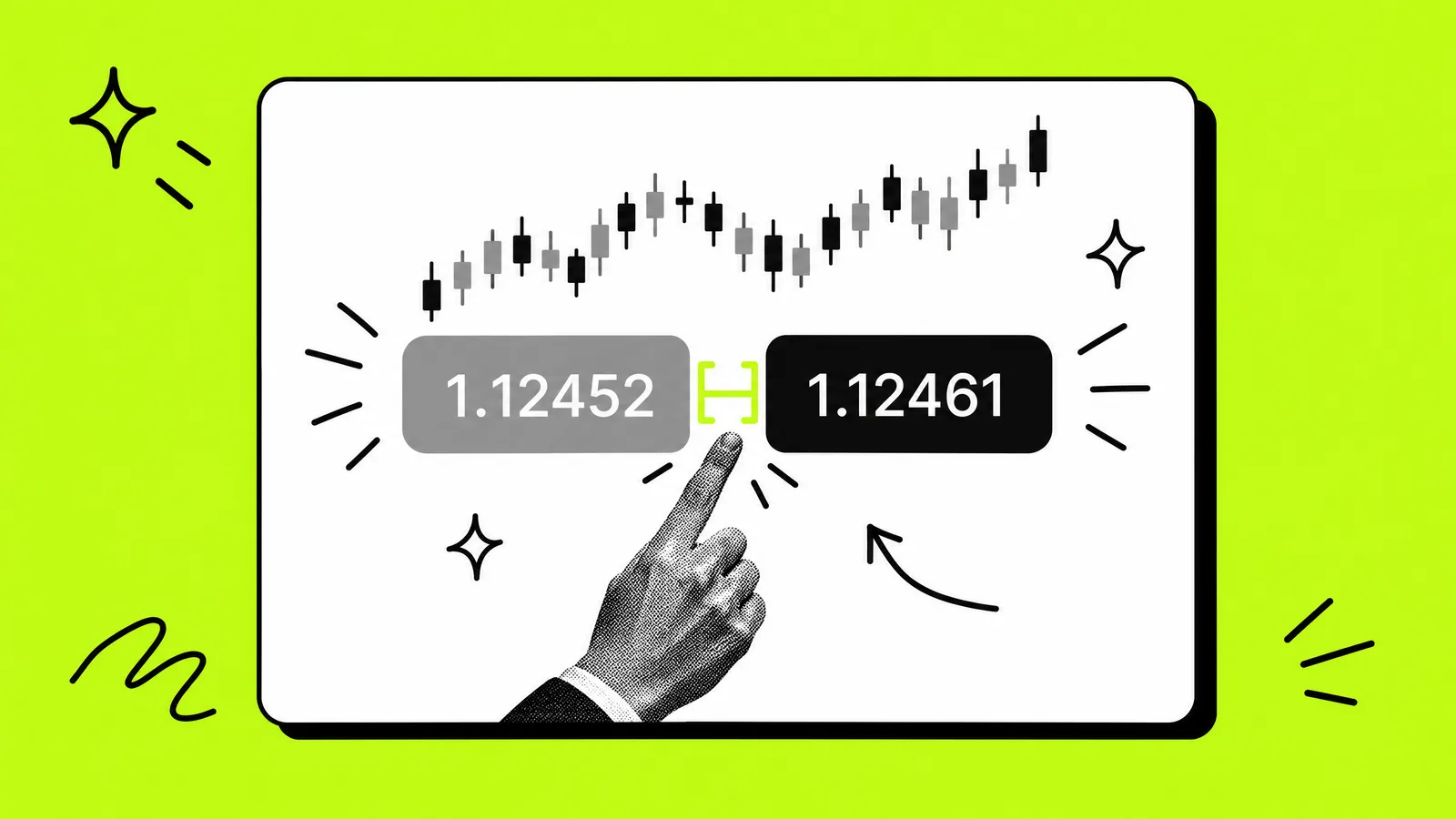
Rolling spot forex falls into ESMA's CFD category under its product intervention measures, and ESMA points out that overnight financing on CFDs can include a markup (ESMA additional information on the CFD measures). Brokers don't print it separately, but put swap long next to swap short and it shows. Values are usually in points, a tenth of a pip on most pairs.
How Overnight Rollover Works
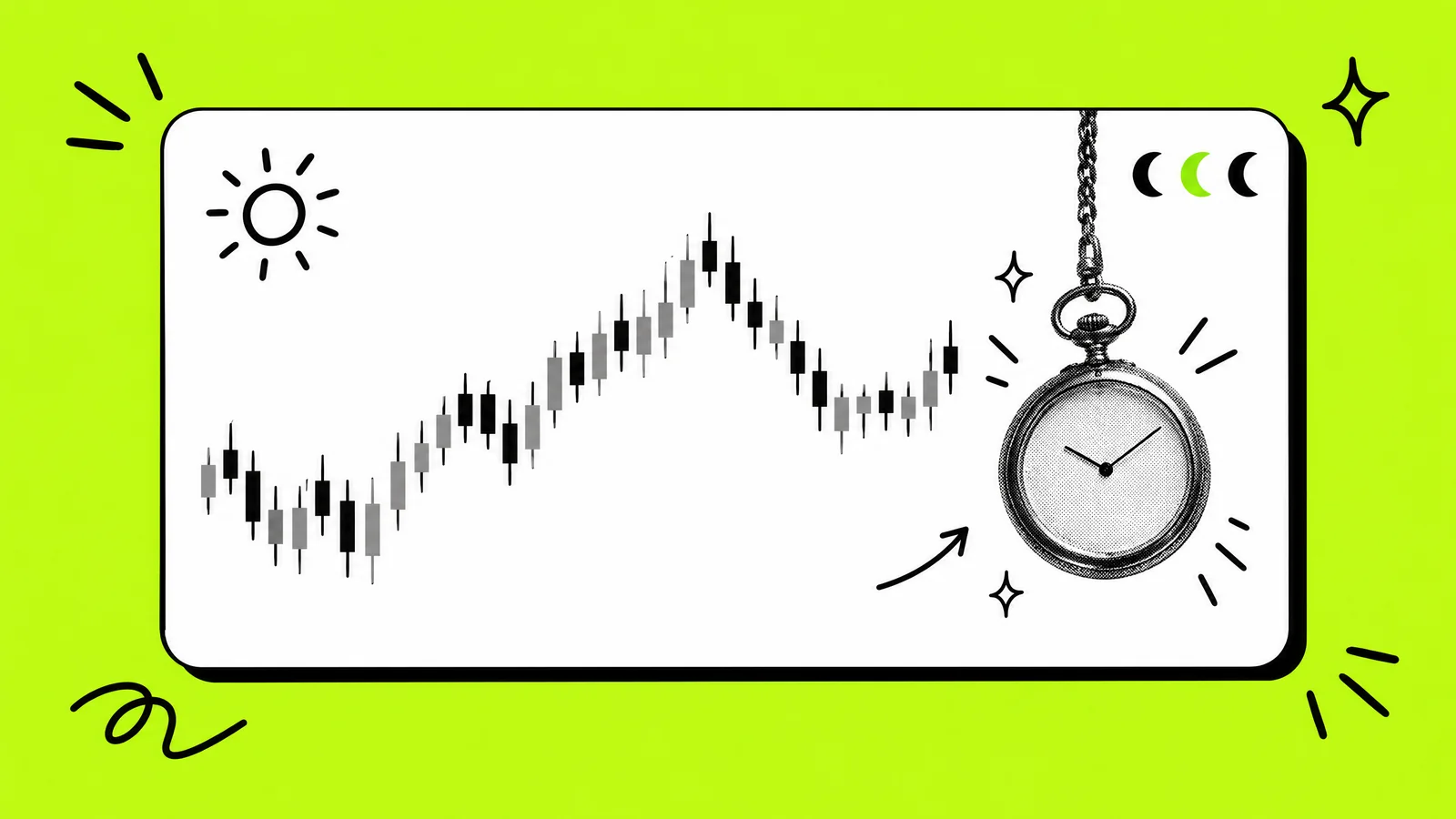
At 17:00 New York time each open position gets pushed forward one value date, and swap is what that push costs or pays. Holding time is irrelevant. What counts is being open at the cut-off.
- You open a trade. Its value date is two business days out (T+2), or one day for USD/CAD, USD/TRY and a handful of others, per the EBS value date calendar published by CME Group.
- Nobody delivers a retail position, so it can't be allowed to reach that date.
- At 17:00 New York time the trade date rolls over, and positions still open move to the next settlement date, per the same EBS calendar. Banks do this with a tom-next (tomorrow-next) swap.
- Your broker adds its markup to the result and books it to the position as swap.
Two hypothetical EUR/USD trades. Trade A runs 08:00 to 16:45 New York time. Nearly nine hours, zero swap. Trade B opens at 16:50 and closes at 17:05. Fifteen minutes, and it pays a full night. One catch: platforms run on server time, so you need to know which hour there matches 17:00 in New York. Spreads around the rollover are covered in our guide to spread in forex.
Positive vs Negative Swap
Ask what is swap fee in forex for one particular trade, and the honest answer is "it depends on direction". Swap is a credit when the currency you bought earns more interest than the one you sold, even after the broker's markup. It becomes a debit when the differential runs against you or the markup is bigger than it.
The part people miss: the markup comes off both sides. Say, hypothetically, the differential is worth 6.0 points per lot per night in favour of longs, and the markup is 7.0 points:
| Component | Long position | Short position |
|---|---|---|
| Raw interest differential (hypothetical) | +6.0 points | −6.0 points |
| Broker markup (hypothetical) | −7.0 points | −7.0 points |
| Swap shown in the platform | −1.0 points | −13.0 points |
| Credit or debit | Debit | Debit |
Look at the long column. Interbank, that position would earn interest. On the platform it pays. Whenever the markup exceeds the raw differential, both numbers go negative, most often on pairs with close interest rates.
Hedging makes it clearer. One lot long plus one lot short kills price risk, not the swap bill: −1.0 + (−13.0) = −14.0 points a night. The differential cancels out, so a locked position pays exactly twice the markup at every rollover.
How Swap Is Calculated
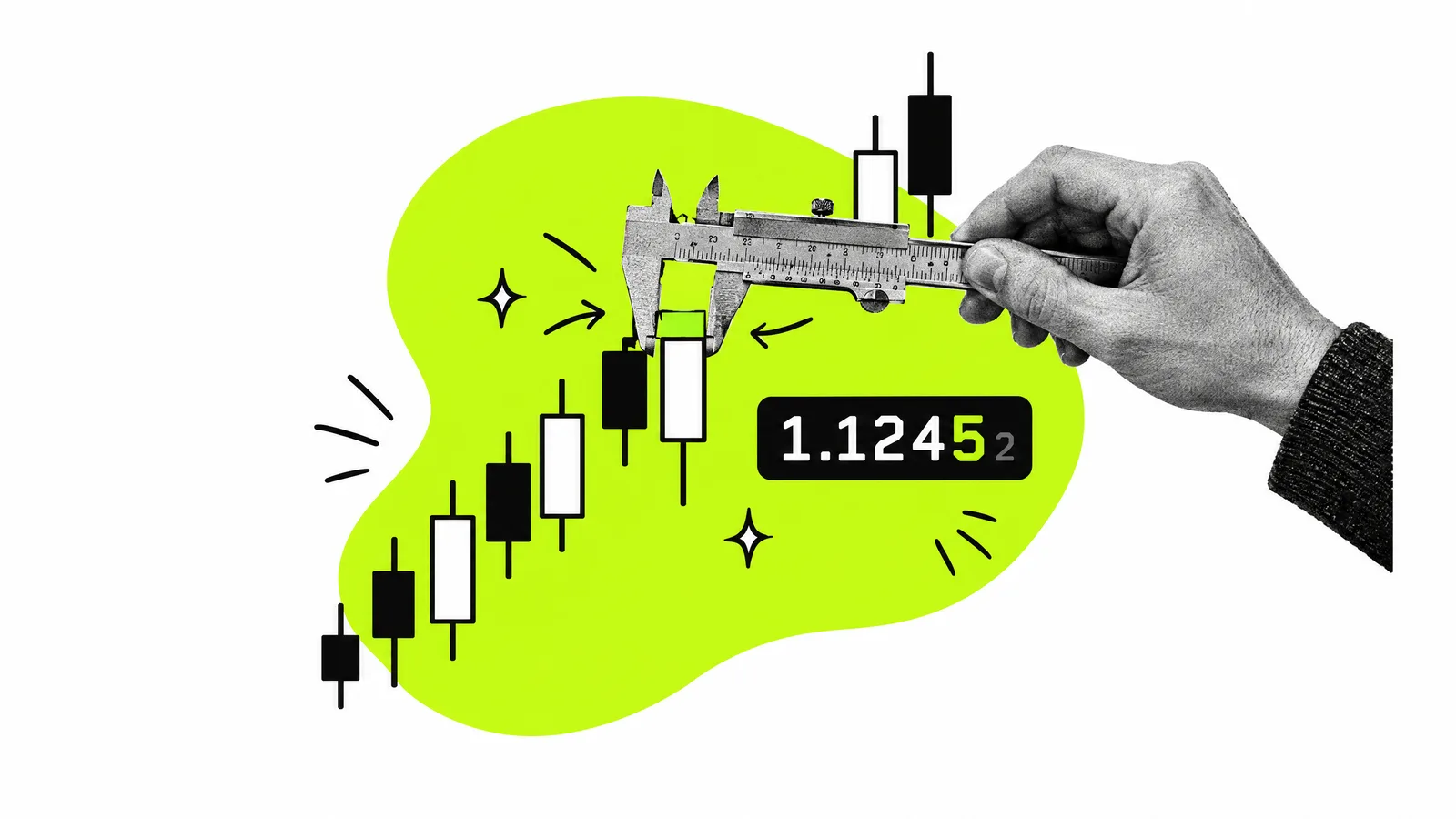
To calculate swap in money, start with the symbol's swap mode. It tells you whether swap long and swap short are points, a currency amount or an annual percentage. In points mode, multiply the swap value by point size, contract size, lots and the number of swap days, then convert into your account currency if needed.
Modes are listed under SYMBOL_SWAP_MODE in the MQL5 Reference, which also says interest-based modes use a 360-day bank year. The first formula below shows where the number comes from, the second is what platforms actually compute.
Interest-rate formula:
Swap per night = Lots × Contract size × Price × (Rate differential − Markup) ÷ 100 ÷ 360
Inputs: lots, contract size (100,000 per standard lot), price, annual differential in % (base minus quote for a long), markup in %.
Points formula:
Swap = Swap points × Point size × Contract size × Lots × Swap days
Inputs: swap long or short, point size (0.00001 on 5-digit, 0.001 on 3-digit quotes), contract size, lots, swap days (1 or 3). The result is in the quote currency.
| Swap mode | What the swap long and short values mean | How to convert to money |
|---|---|---|
| Points | Points per lot per night | × point size × contract size × lots; convert from quote currency |
| Base currency | Amount per lot in base currency | × lots; convert from base currency |
| Margin currency | Amount per lot in margin currency | × lots; convert from margin currency |
| Deposit currency | Amount per lot in account currency | × lots; no conversion |
| Annual interest (current price) | Annual % on the position at the rollover price | Lots × contract size × current price × % ÷ 100 ÷ 360; convert |
| Annual interest (open price) | Annual % on the position at its open price | Lots × contract size × open price × % ÷ 100 ÷ 360; convert |
| Reopen | Points added or subtracted when the position is closed and reopened | No cash entry; swap is built into the new open price |
Example 1: EUR/USD, USD account. Hypothetical swap long −8.5 points, 1 lot, one night:
−8.5 × 0.00001 × 100,000 × 1 × 1 = −$8.50
The trap: on 5-digit and 3-digit quotes, 1 pip = 10 points. Read −8.5 as pips and you'd book −$85.00. Ten times the real charge, from one misread label.
Example 2: GBP/JPY, USD account. Hypothetical swap short −30.0 points, 0.5 lot, one night, hypothetical USD/JPY at 156.00:
−30.0 × 0.001 × 100,000 × 0.5 = −¥1,500
−¥1,500 ÷ 156.00 = −$9.62
On a EUR or GBP account? Convert the way you'd convert pip value.
Bank swap points are different again: the forward-minus-spot gap, in pips, with no retail markup.
In MetaTrader 4, the symbol specification in Market Watch shows swap type, swap long and swap short (per the MetaTrader 4 Help). The triple-swap day is trickier: MetaTrader 5 stores it as SYMBOL_SWAP_ROLLOVER3DAYS, the MT4 Help doesn't mention it, so on MT4 check the broker's contract specifications.
What Is Triple Swap and When Is It Charged?
Triple swap is a rollover that charges or credits three days of swap in a single night, usually on Wednesday for forex and metals. The reason is settlement. A spot trade done on Wednesday settles on Friday, and rolling it to Thursday pushes the value date to Monday, so that one roll covers Friday, Saturday and Sunday.
Wednesday is just a default, though. Brokers set the day per symbol (SYMBOL_SWAP_ROLLOVER3DAYS in MQL5) plus a multiplier for every weekday, from SYMBOL_SWAP_SUNDAY to SYMBOL_SWAP_SATURDAY, where 0 means no swap, 1 a single swap and 3 a triple. Indices, energies and crypto CFDs don't settle T+2, so their triple day is often Friday. Weekend-traded crypto CFDs may get a single swap daily.
| Rollover night | Swap days charged | Cumulative swap (hypothetical −$5.00 per day per lot) |
|---|---|---|
| Monday | 1 | −$5.00 |
| Tuesday | 1 | −$10.00 |
| Wednesday | 3 | −$25.00 |
| Thursday | 1 | −$30.00 |
| Friday | 1 | −$35.00 |
Example. Hold a full week and you cross five rollovers but pay for seven days: 7 × $5.00 = $35.00. Wednesday alone is $15.00, or 43% of the week. The awkward case? Open on Wednesday at 16:55 New York time, close at 17:05, and you pay the same 3 × $5.00 = $15.00. For ten minutes.
Holidays muddy things further. Under the EBS calendar, a holiday in either currency can't be a value date, so a nearby rollover can carry extra swap days, not necessarily on Wednesday.
Swap Charges in Forex as a Holding Cost
Swap charges in forex are the one part of trading cost that keeps growing while you wait. You pay the spread once per round turn. Swap returns at every rollover, so its slice of the bill grows the longer you hold.
Take a hypothetical $10 spread cost per lot and −$5 swap per lot per swap day, a month being 30 swap days. (Spread calculation is in the spread guide.)
| Holding period | Spread cost (hypothetical, one-time) | Accumulated swap (hypothetical, triple day included) | Swap as share of total cost | Net cost after hypothetical rebate |
|---|---|---|---|---|
| 1 day | $10 | $5 | 33% | $11 |
| 1 week | $10 | $35 | 78% | $41 |
| 1 month | $10 | $150 | 94% | $156 |
| 3 months | $10 | $450 | 98% | $456 |
By the third swap day, swap has already overtaken the spread. One Wednesday rollover ($15) gets you there on its own.
That −$5 won't necessarily stay −$5. Rates move, swap tables get revised, and year-end brings its own squeeze. The BIS Quarterly Review explains how dealers shrink balance sheets before reporting dates, making short-term FX positions dearer to roll.
Then there's margin. In MetaTrader, accrued swap usually sits in floating profit, eating into equity nightly until you close. Margin level is equity divided by used margin, so the three-month $450 nudges you toward a margin call or stop-out even if price hasn't moved an inch.
What about a rebate? Say, hypothetically, a broker pays $4 per lot per round turn through a cashback service. It comes off the spread or commission side, once per trade, and the swap line doesn't move (last column). The longer you hold, the smaller the share of cost it applies to. Real rates vary by broker, instrument and account type; check them for BrokerFlat partner brokers. A rebate lowers your costs; it doesn't change whether a strategy is profitable.
Work out what your own trading would pay back
Enter your broker, your instrument and your monthly lots to see the rebate on your own volume rather than on an example.
Calculate your rebateHow to Earn Swap in Forex
How to earn swap in forex boils down to one condition. The currency you hold has to pay more interest than the currency you sold, and by more than the broker's markup. Only then does the swap value turn positive. You confirm it in the symbol specification for your own broker and account type.
- Compare central bank rates. The currency you buy needs the higher one.
- Check the swap for your direction is positive on your account type.
- Convert it to money per night with the swap mode, and note the triple-swap day.
- Work out how many pips against you would wipe out that nightly credit.
Example. Hypothetical numbers: a credit of +$3.00 per lot per night, pip value $10 per lot.
30 pips × $10 = $300 adverse move
$300 ÷ $3.00 = 100 nights of credit
One 30-pip move against you erases roughly three months of swap. Sobering. The credit itself can also turn negative mid-trade after a rate change, a bigger markup or year-end funding pressure.
That's the carry trade in a nutshell: sell a low-rate currency, hold a high-rate one, collect the positive swap. The weak spot is the exchange rate. BIS Bulletin No 90 describes how a volatility spike hit carry positions as deleveraging and rising margins forced traders out together, worsening the move. Positive swap doesn't reduce market risk.
What Is a Swap-Free (Islamic) Account?
A swap-free account is a trading account where the broker neither charges nor pays overnight swap on positions held past rollover. It's meant mainly for traders who can't pay or receive interest for religious reasons, which is why it's often called an Islamic account. Brokers usually replace swap with another charge.
The background is the ban on interest (riba) in Islamic finance. AAOIFI Shari'ah Standard No. 1, Trading in Currencies sets out to explain the Shari'ah rulings on currency trading. Whether an account meets them is for a qualified scholar to say.
| Feature | Standard account | Swap-free account |
|---|---|---|
| Overnight interest | Charged or credited each rollover | Not applied |
| Replacement charge | None | Holding fee, wider spread or higher commission |
| When the charge starts | First rollover | First rollover or after a grace period |
| Positive swap credit | Received | Not received |
| Holding limits | Margin only | Some brokers cap holding days |
| Eligibility | Any client | On request, often with a declaration |
Example. Take one hypothetical lot. The standard account charges −$5 swap a day. The swap-free version gives a 5-day grace period, then charges $8 a day.
3 days: standard $15; swap-free $0
10 days: standard $50; swap-free (10 − 5) × $8 = $40
30 days: standard $150; swap-free 25 × $8 = $200.
If the position would earn +$3 a day, the swap-free trader gives up 30 × $3 = $90 over 30 days.
Brokers commonly ask for proof of eligibility, exclude some symbols, cap holding periods and can switch you back to standard if the account is used for carry positions. It's all in the swap-free policy.
XM cashback rate per lot

XM
$2.50 per lot on forex
The swap-free section of this article leaves the reader with a check to make per broker: which accounts have a swap-free option, and what the rebate looks like on each. The XM Account Types table carries a swap-free column for every account, and the cashback table rates the Standard and Ultra Low accounts separately. A rebate comes off the spread and commission side, so the swap mode does not change it.
View XM cashback ratesHow to Reduce or Avoid Swap Fees
You can trim swap costs without touching position size or stops. It's about when you close and where the position lives.
- Close intraday trades before 17:00 New York time if the setup needs no overnight hold.
- Read swap long and swap short before entry, not after the first charge.
- Check each symbol's triple-swap day, because it isn't always Wednesday.
- Between equivalent setups, pick the direction with the smaller negative swap.
- Compare swap on one symbol across brokers and account types, in money per lot.
- If eligible, weigh swap-free fees against the swap you would pay.
Swap and spread or commission are separate parts of holding cost, and since a rebate only touches the second, the forex rebate calculator works it out for your own lot size and trade count.
Key Takeaways on Forex Swap
Swap only hits positions open at the 17:00 New York rollover, so minutes across the cut-off cost a full night. Charge or credit depends on direction, the rate differential and the markup, which alone can push both sides negative.
Before you hold overnight, check the swap mode, convert with the right point size and find the triple-swap day. On a swap-free account, swap gets replaced by another fee, and positive swap is never paid out.
Swap is priced by time, and a rebate doesn't touch it. Every pip of spread is a cost you pay on each trade. Compare how much each partner broker returns per lot on the BrokerFlat brokers page.